Featured in Mixes
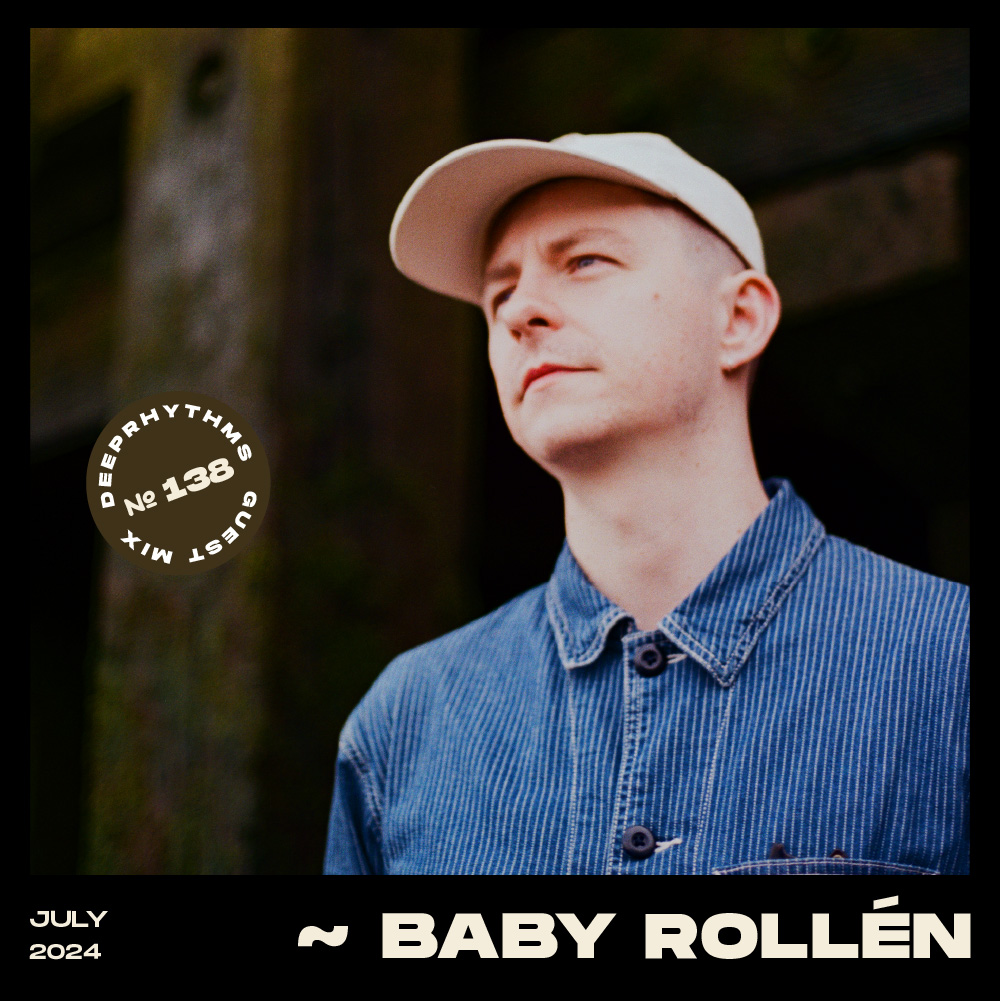
#138 Baby Rollén for Deeprhythms
Jul 4, 2024
1 track featured
Mixed by Baby Rollén
About
Deutsche Grammophon Gesellschaft mit beschränkter Haftung (company with limited liability).
Name change 1 December 1988 from Polydor International GmbH , nowadays a German classical music company.
The record company operates or has operated famous labels such as Deutsche Grammophon , Grammophon , Archiv Produktion , Heliodor , and Polydor .
Do not enter as label, use Deutsche Grammophon or one of the other listed labels above.
History:
Deutsche Grammophon GmbH was originally founded on 6th December 1898 by the brothers Joseph, Jacob and inventor Emile Berliner in Hanover as the German branch of E. Berliner's Gramophone Company. The record factory is established within the J. Berliner - Telefonfabrik. The telephone factory itself is founded in 1881, when Emile Berliner visits Hanover. Owing to Emile Berliner's innovations in the microphone, gramophone, and gramophone record, Deutsche Grammophon is developed as a record manufacturing company.
On June 27, 1900, the company is reorganized as a joint stock corporation (Deutsche Grammophon-Aktiengesellschaft ).
Second history of the Deutsche Grammophon GmbH:
1937: The AG is liquidated and renamed Deutsche Grammophon GmbH again. The financial owners are Deutsche Bank and Telefunken Gesellschaft.
1941: Deutsche Grammophon GmbH is sold to electronics company Siemens & Halske AG. Siemens Spezial is introduced as label for classical recordings and Siemens Polydor for popular music.
1945: World War II completely destroys the factory and offices in Hanover. A small record-manufacturing facility opens in Berlin while the factory and headquarters in Hanover are rebuilt.
1946: After decades of serving primarily as Deutsche Grammophon's record label for popular music, Polydor becomes an international label. The pressing plant resumes its activities.
1949: For classical music releases, DGG introduces a label under its own name, Deutsche Grammophon Gesellschaft. The previously used Grammophon label is discontinued. Under an agreement dated 5 July 1949, DGG grants Electrola , the German branch of EMI , the exclusive license to use the Nipper dog and gramophone trademark, effective 1 July 1951.
1954: The English subsidiary Polydor Records Ltd. is established in London.
1956: The administrative headquarters relocate to Hamburg. French and Austrian subsidiaries Polydor S.A. Française and Polydor-Schallplatten-Gesellschaft mbH are established in Paris and Vienna, respectively.
1958: Deutsche Grammophon adopts the now-famous design featuring a yellow cartouche bordered by a garland of tulips.
1959: Opening of the manufacturing plant "Werk II" in Langenhagen, near Hanover.
1962: Siemens forms a joint venture with Netherlands based Philips to create the DGG/PPI Record Group.
1969: US and Indian subsidiaries Polydor Incorporated and Polydor of India Ltd. are established in New York City and Bombay, respectively.
1971: PolyGram is established as a holding company for the DGG company Polydor International and for the Philips company Phonogram International .
1987: Siemens sells most of its shares to Philips, giving Philips a 90% ownership stake in PolyGram . When the company goes public, Philips' ownership is reduced to 75%.
1998: Seagram Company Ltd. of Canada purchases PolyGram and merges it in January 1999 with Seagram-owned MCA Music Entertainment . Deutsche Grammophon is subsequently integrated into the Universal Music Group (UMG) and becomes a key part of Universal Classics alongside Decca . It also manages the classical catalogs of the American Decca and Westminster labels, both originally owned by MCA Records .
2000: Seagram sells Universal Music Group to the French media company Vivendi, which acquires the remaining minority interests in UMG and assumes full control of the music group.
In 2021, Vivendi executes a corporate spin-off of UMG, which subsequently becomes publicly traded. Vivendi distributes 60% of UMG's shares directly to its own shareholders and retains a minority stake of approximately 10%.
Today, Deutsche Grammophon operates as a flagship classical label within the fully independent Universal Music Group. Vivendi no longer exercises corporate control over the label's operations.
Use Deutsche Grammophon GmbH (1938-present) where it appears as such, or in a variation of that name (for instance Deutsche Grammophon Gesellschaft mbH.)
Use Deutsche Grammophon Hamburg where it appears as Deutsche Grammophon, Hamburg or Deutsche Grammophon Gesellschaft, Hamburg, or a variation thereof.
Use Deutsche Grammophon where Deutsche Grammophon or Deutsche Grammophon Gesellschaft is used as a label.
Use Deutsche Grammophon Gesellschaft where the Deutsche Grammophon or Deutsche Grammophon Gesellschaft trademark is used as a company credit.
Use Deutsche Grammophon-Aktiengesellschaft for releases between 1900 and 1937, where it appears as such, or in a variation of that name (e.g. Deutsche Grammophon A.G.)
Use Deutsche Grammophon G.M.B.H. Hannover where it appears as such (1932-1956).
Use Deutsche Grammophon G.m.b.H. Berlin where it appears as such (1945 - 1949).
For lacquer cut & pressing roles, use Deutsche Grammophon Gesellschaft Pressing Plant (1946-1972). This name does not appear on records but can be identified from the runouts.
Shellac releases from 1937 until 1945 have the recording engineer and the recording location added to the runouts, e.g., "GR9", translating to
A) the engineers (1934 - 1945):
Oskar Blaesche Sr. : GD (10") / GE (12")
Carl Friedrich Ehrich : GR (10") / GS (12")
Paul Goile : GN (10") / GO (12")
B) the Berlin recording studios (Raum = Room):
3 - Deutsche Grammophon AG, Raum III , Lützowstr. 76 ("Schwechten-Saal"), until 1938
6 - Deutsche Grammophon AG, Raum VI , Lützowstr. 76 ("Bach-Saal"), until 1938
7 - Deutsche Grammophon AG, Raum VII , Lützowstr. 111/112 - Kleiner Saal (small hall), until 1938
8 - Deutsche Grammophon AG, Raum VIII , Lützowstr. 111/112 - Großer Saal (large hall), until 1938
9 - Alte Jakobstraße – Raum IX, Berlin (between September 1938 and 1945).
However, this original matrix information can often also be found on releases pressed between 1946 and 1949.
Name change 1 December 1988 from Polydor International GmbH , nowadays a German classical music company.
The record company operates or has operated famous labels such as Deutsche Grammophon , Grammophon , Archiv Produktion , Heliodor , and Polydor .
Do not enter as label, use Deutsche Grammophon or one of the other listed labels above.
History:
Deutsche Grammophon GmbH was originally founded on 6th December 1898 by the brothers Joseph, Jacob and inventor Emile Berliner in Hanover as the German branch of E. Berliner's Gramophone Company. The record factory is established within the J. Berliner - Telefonfabrik. The telephone factory itself is founded in 1881, when Emile Berliner visits Hanover. Owing to Emile Berliner's innovations in the microphone, gramophone, and gramophone record, Deutsche Grammophon is developed as a record manufacturing company.
On June 27, 1900, the company is reorganized as a joint stock corporation (Deutsche Grammophon-Aktiengesellschaft ).
Second history of the Deutsche Grammophon GmbH:
1937: The AG is liquidated and renamed Deutsche Grammophon GmbH again. The financial owners are Deutsche Bank and Telefunken Gesellschaft.
1941: Deutsche Grammophon GmbH is sold to electronics company Siemens & Halske AG. Siemens Spezial is introduced as label for classical recordings and Siemens Polydor for popular music.
1945: World War II completely destroys the factory and offices in Hanover. A small record-manufacturing facility opens in Berlin while the factory and headquarters in Hanover are rebuilt.
1946: After decades of serving primarily as Deutsche Grammophon's record label for popular music, Polydor becomes an international label. The pressing plant resumes its activities.
1949: For classical music releases, DGG introduces a label under its own name, Deutsche Grammophon Gesellschaft. The previously used Grammophon label is discontinued. Under an agreement dated 5 July 1949, DGG grants Electrola , the German branch of EMI , the exclusive license to use the Nipper dog and gramophone trademark, effective 1 July 1951.
1954: The English subsidiary Polydor Records Ltd. is established in London.
1956: The administrative headquarters relocate to Hamburg. French and Austrian subsidiaries Polydor S.A. Française and Polydor-Schallplatten-Gesellschaft mbH are established in Paris and Vienna, respectively.
1958: Deutsche Grammophon adopts the now-famous design featuring a yellow cartouche bordered by a garland of tulips.
1959: Opening of the manufacturing plant "Werk II" in Langenhagen, near Hanover.
1962: Siemens forms a joint venture with Netherlands based Philips to create the DGG/PPI Record Group.
1969: US and Indian subsidiaries Polydor Incorporated and Polydor of India Ltd. are established in New York City and Bombay, respectively.
1971: PolyGram is established as a holding company for the DGG company Polydor International and for the Philips company Phonogram International .
1987: Siemens sells most of its shares to Philips, giving Philips a 90% ownership stake in PolyGram . When the company goes public, Philips' ownership is reduced to 75%.
1998: Seagram Company Ltd. of Canada purchases PolyGram and merges it in January 1999 with Seagram-owned MCA Music Entertainment . Deutsche Grammophon is subsequently integrated into the Universal Music Group (UMG) and becomes a key part of Universal Classics alongside Decca . It also manages the classical catalogs of the American Decca and Westminster labels, both originally owned by MCA Records .
2000: Seagram sells Universal Music Group to the French media company Vivendi, which acquires the remaining minority interests in UMG and assumes full control of the music group.
In 2021, Vivendi executes a corporate spin-off of UMG, which subsequently becomes publicly traded. Vivendi distributes 60% of UMG's shares directly to its own shareholders and retains a minority stake of approximately 10%.
Today, Deutsche Grammophon operates as a flagship classical label within the fully independent Universal Music Group. Vivendi no longer exercises corporate control over the label's operations.
Use Deutsche Grammophon GmbH (1938-present) where it appears as such, or in a variation of that name (for instance Deutsche Grammophon Gesellschaft mbH.)
Use Deutsche Grammophon Hamburg where it appears as Deutsche Grammophon, Hamburg or Deutsche Grammophon Gesellschaft, Hamburg, or a variation thereof.
Use Deutsche Grammophon where Deutsche Grammophon or Deutsche Grammophon Gesellschaft is used as a label.
Use Deutsche Grammophon Gesellschaft where the Deutsche Grammophon or Deutsche Grammophon Gesellschaft trademark is used as a company credit.
Use Deutsche Grammophon-Aktiengesellschaft for releases between 1900 and 1937, where it appears as such, or in a variation of that name (e.g. Deutsche Grammophon A.G.)
Use Deutsche Grammophon G.M.B.H. Hannover where it appears as such (1932-1956).
Use Deutsche Grammophon G.m.b.H. Berlin where it appears as such (1945 - 1949).
For lacquer cut & pressing roles, use Deutsche Grammophon Gesellschaft Pressing Plant (1946-1972). This name does not appear on records but can be identified from the runouts.
Shellac releases from 1937 until 1945 have the recording engineer and the recording location added to the runouts, e.g., "GR9", translating to
A) the engineers (1934 - 1945):
Oskar Blaesche Sr. : GD (10") / GE (12")
Carl Friedrich Ehrich : GR (10") / GS (12")
Paul Goile : GN (10") / GO (12")
B) the Berlin recording studios (Raum = Room):
3 - Deutsche Grammophon AG, Raum III , Lützowstr. 76 ("Schwechten-Saal"), until 1938
6 - Deutsche Grammophon AG, Raum VI , Lützowstr. 76 ("Bach-Saal"), until 1938
7 - Deutsche Grammophon AG, Raum VII , Lützowstr. 111/112 - Kleiner Saal (small hall), until 1938
8 - Deutsche Grammophon AG, Raum VIII , Lützowstr. 111/112 - Großer Saal (large hall), until 1938
9 - Alte Jakobstraße – Raum IX, Berlin (between September 1938 and 1945).
However, this original matrix information can often also be found on releases pressed between 1946 and 1949.